
This article was originally written on May 18, 2015.
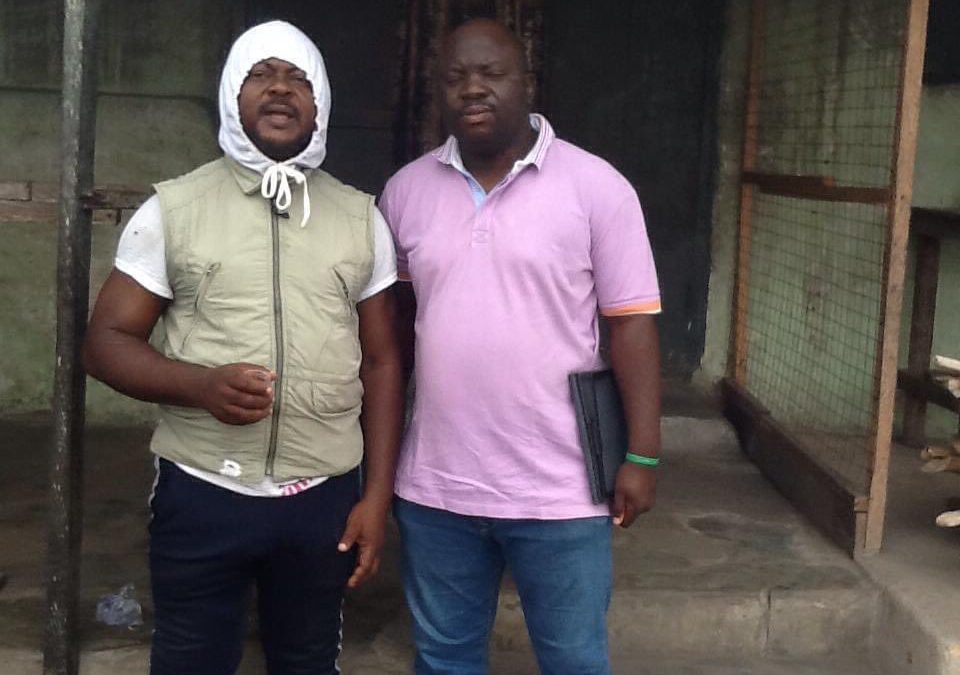
I summoned courage as I approached the man who wore a hood. He had just poured himself a generous tot of local liquor, and the look on his face as he downed it showed he was in a world of his own.
What manner of man will engage in such binge drinking on a Sunday morning? However, my instincts told me he was the right man. Ika, as he later introduced himself, certainly knew the whole of that environment like the back of his hand.
He was born in Cobham Town and he would have been a terrific tour guide — except that he was busy drinking. He, however, directed me appropriately and assured me I could not miss my way.
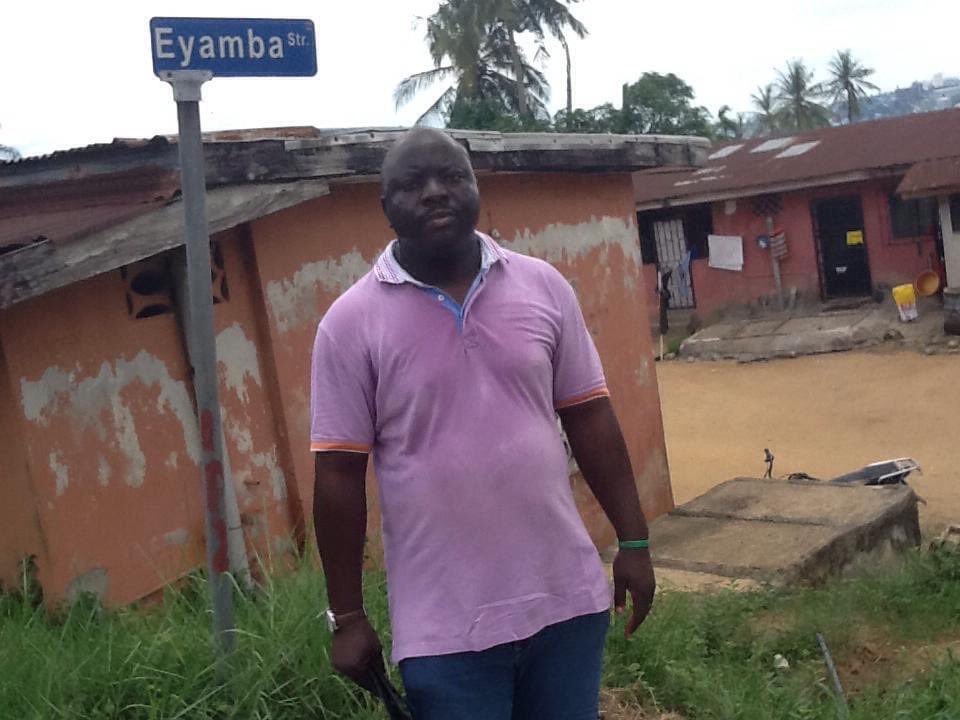
So off I went to Eyamba Street. Eyamba Street must be one of the highest points in Calabar and I was drenched in sweat as I trudged up the road. Standing in its full magnificence was the very first Presbyterian Church building in Nigeria.
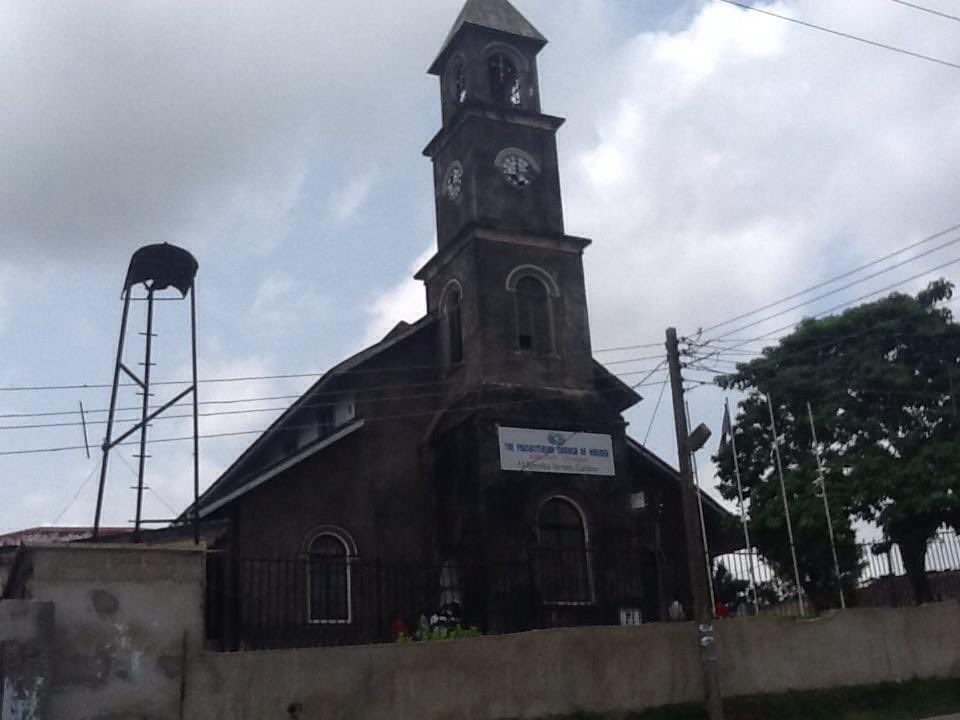
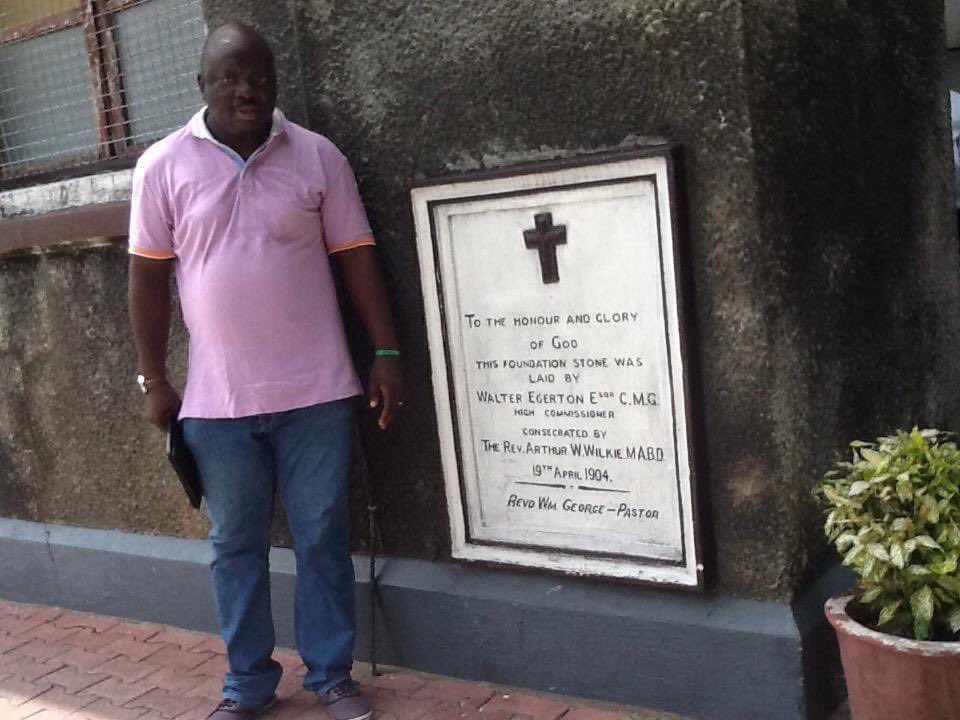
Church service was in full bloom, but I still managed to steal a few pictures. Consecrated in 1904, the imposing building still stood ramrod straight. It was obviously well-maintained by the custodians who seemed to have a good sense of history.
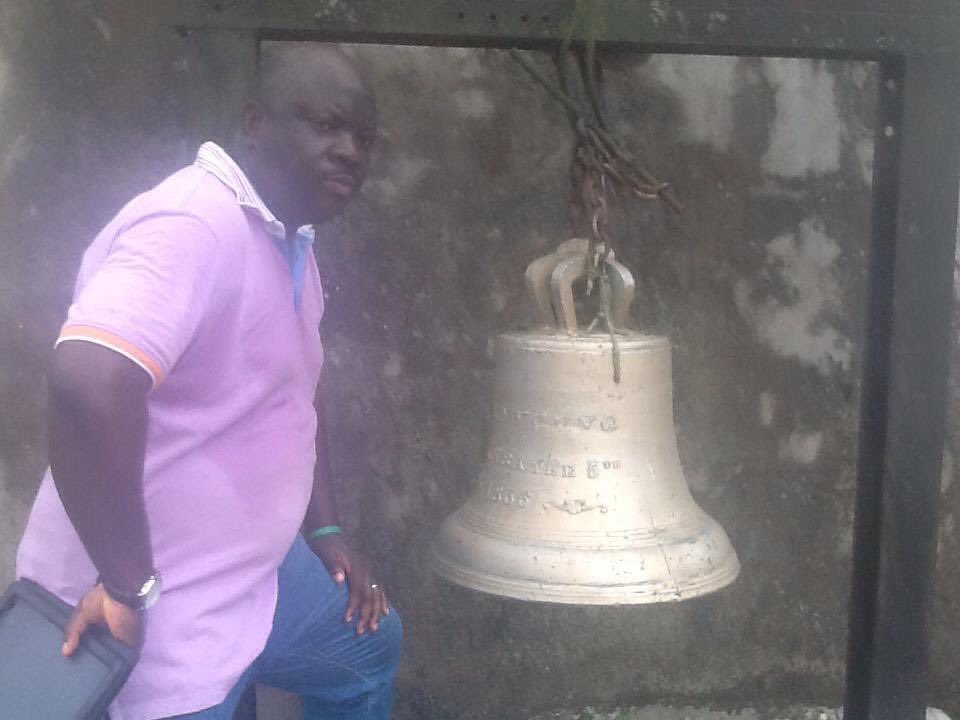
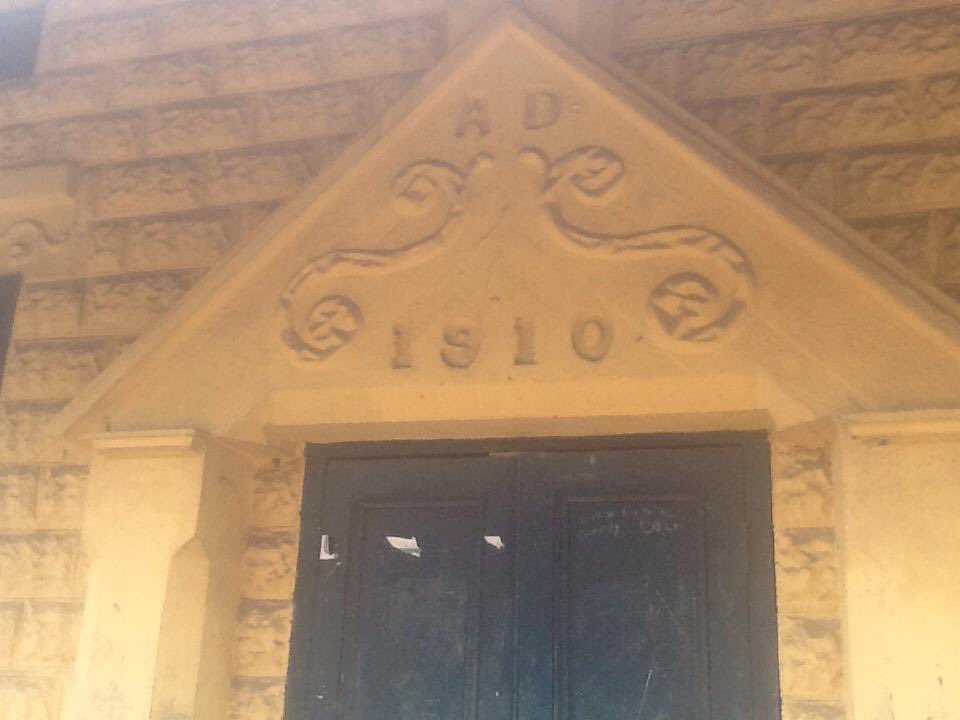
Opposite the building was a huge bell with the inscription ‘1836’. 1836? There was no further information and there was no one to tell me the significance of the bell. Right beside the church is Duke Town Primary School, built in 1910.
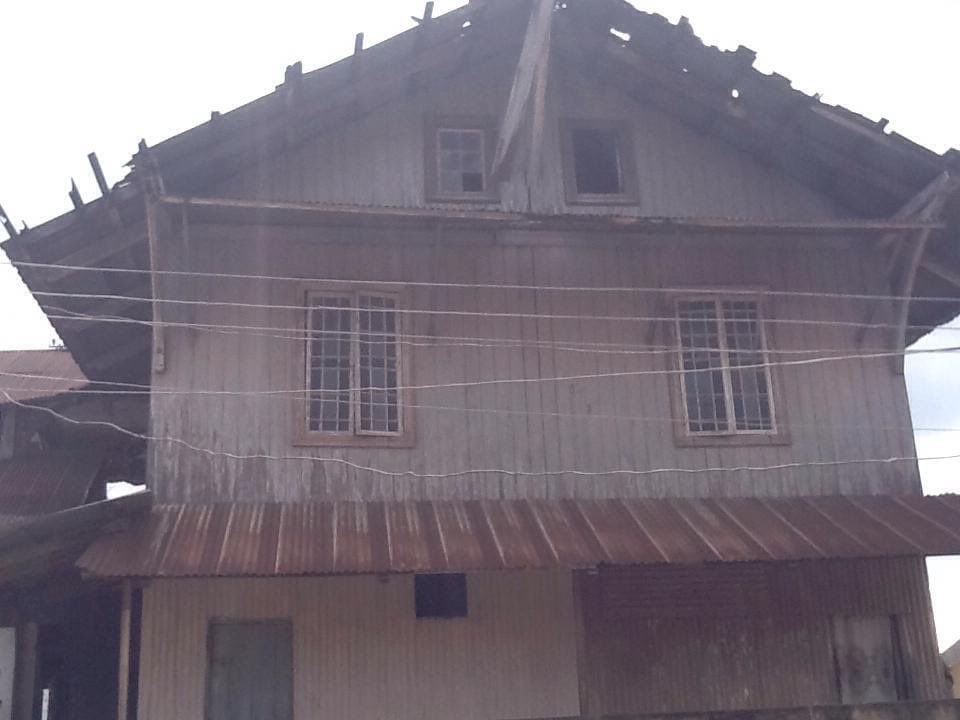
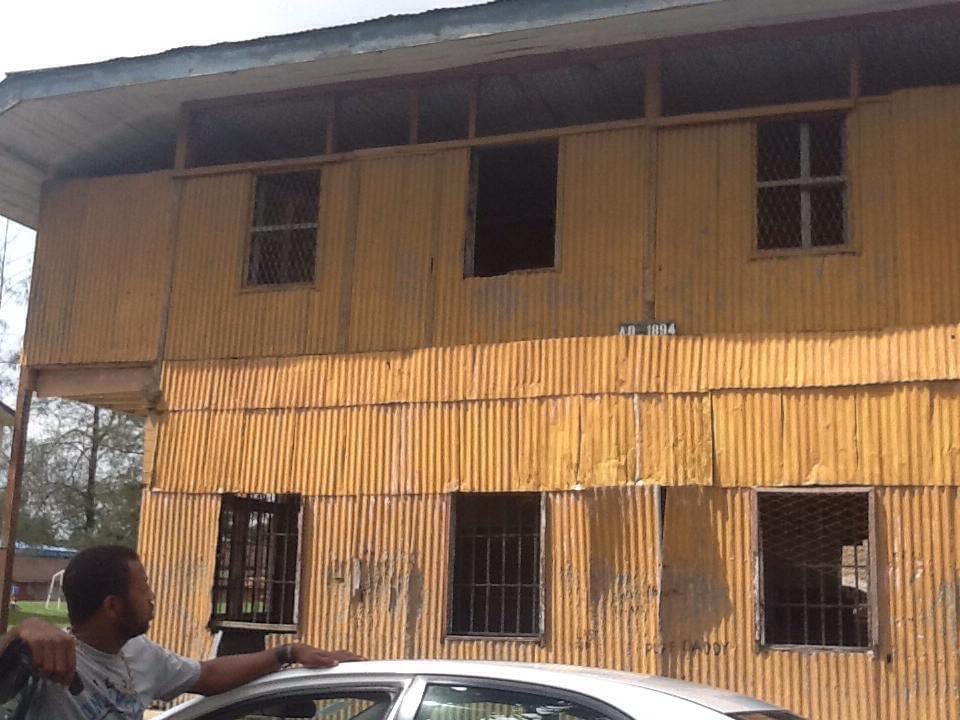
Ascending Eyamba Street but with a detour to an inside street to the right stood one of the first pre-fabricated buildings in Nigeria, the house of Eyo Honesty, specially made in Europe in 1860 but shipped to Nigeria as a reward for his cooperation. The building, though in terrible shape, is now a national monument.
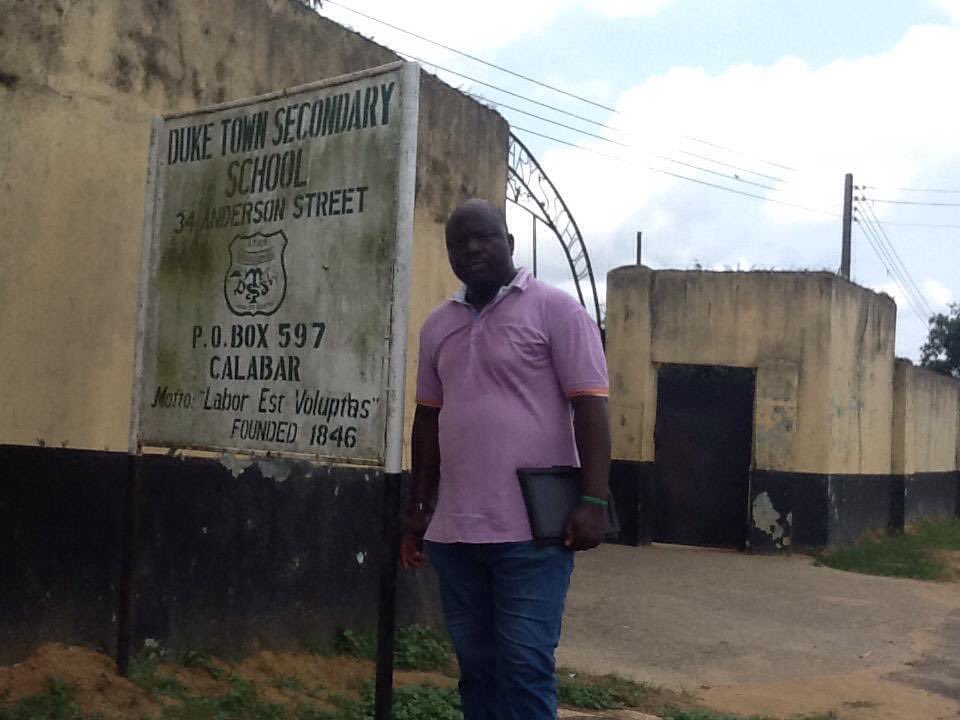
Right at the top of the street is Duke Town Secondary School, established in 1846. The residents claim it is the oldest secondary school in Nigeria. The previous history I knew was that CMS Grammar School is the oldest secondary school in Nigeria and it was founded in 1859 — the same year as Hope Waddell Training Institution (acclaimed as the oldest school in Eastern Nigeria). So is there a conflict of history?
Undeterred, I went further up the street, but what I saw broke my heart. My heart pounded against my chest as I ascended the steps that led to the cemetery where Mary Slessor was buried. The cemetery was in a terrible shape, with weeds overgrown and the surroundings unkempt. Mary Slessor’s final resting place was too obvious — what with the most prominent tombstone in the entire cemetery.
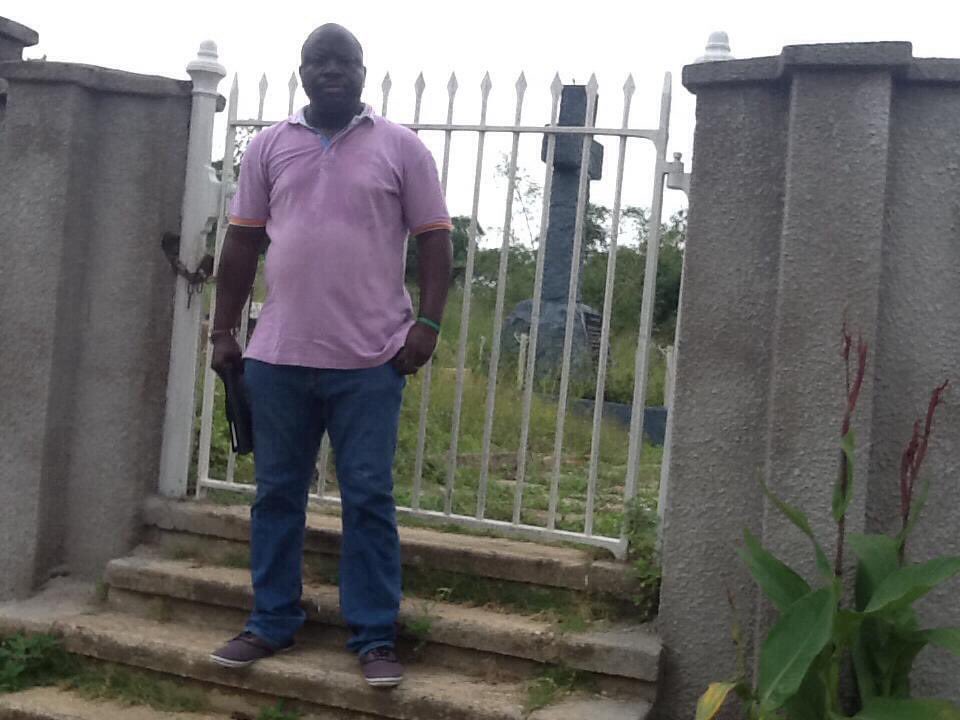
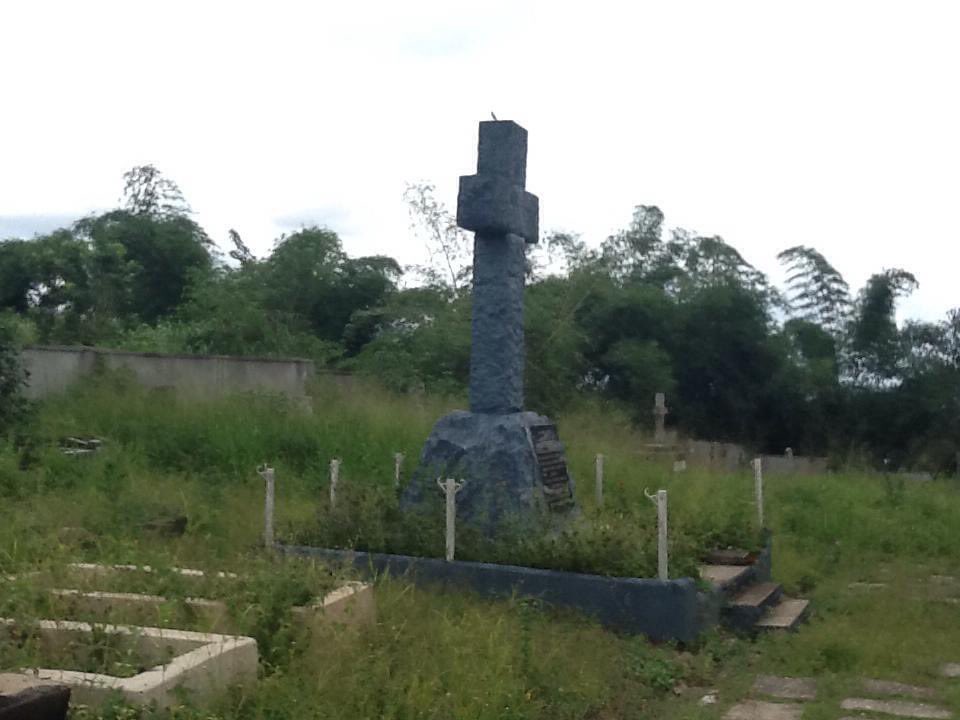
I pondered: is there any other street in Nigeria that harbours as much of our national history as Eyamba Street?
Just yesterday I had visited Twins Island, where Mary Slessor kept the twins she saved from imminent death. Twins Island is about fifteen minutes by speedboat from the shores of Marina Resort. I met a direct descendant of one of the saved twins who took us round the island.
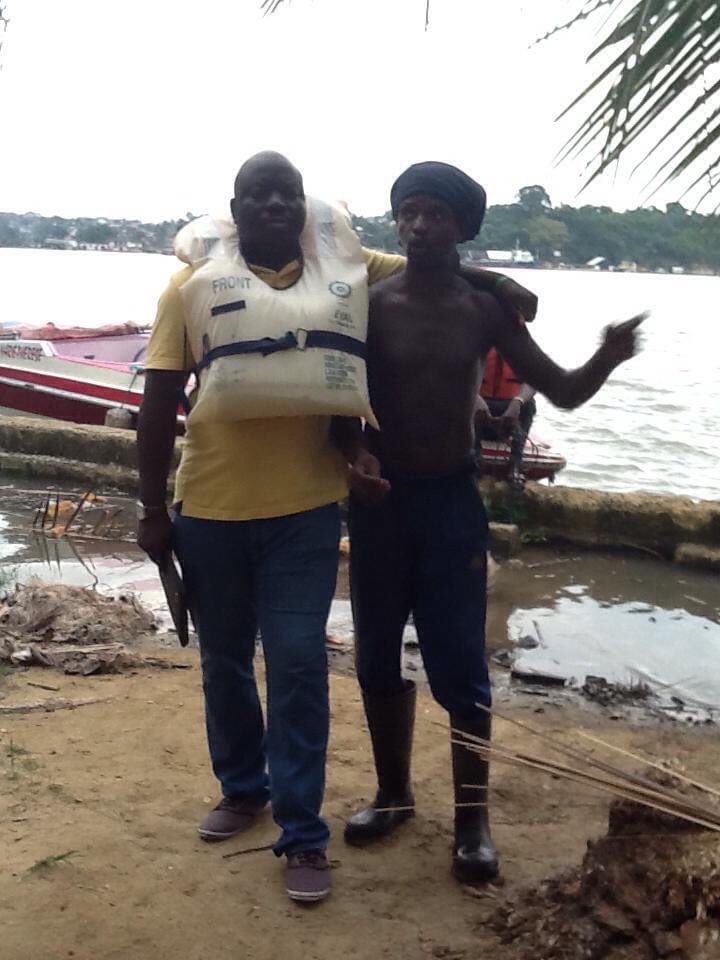
Rastaman Jeff Inspiration, as he called himself, is also a twin. He gave a brief history of the island and told us about the three crocodiles and the huge python on the island. He also informed us about a stream on the island where anyone looking for twins could come and pray.
“Does that really work?”, I asked him.
“It’s no longer as potent as before. We don’t carry out the normal sacrifices we should again,” he answered.
As I looked across the creek towards the shore, I reflected on the sacrifices of this woman who must have crossed that huge creek with dug-out canoes at odd times just to save those who were not even her tribesmen. Mary Slessor never married and never had children of her own.
And then I met Calabar. Calabar is 27 years old but looked nothing like her age. At 27, Calabar already has children, grandchildren and great-grandchildren. Oh, I forgot to tell you — Calabar is a drill monkey at the Drill Ranch located at Nsefik Eyo Layout on Marian Road.
One of Calabar’s children (she gave birth to nine) is Columbus. Columbus is one of the biggest monkeys in the ranch and I could see that other females were attracted to him. One of Columbus’ children is Casino. Calabar is the oldest monkey in the ranch.
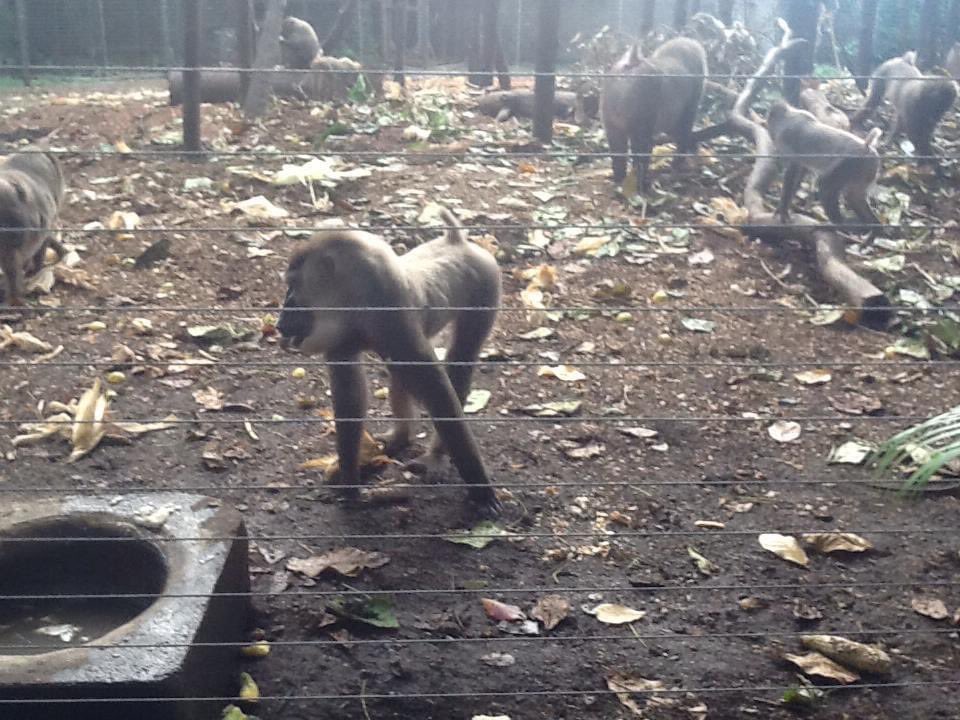
The Drill Ranch was established as a wildlife conservation area to protect the drill species of monkeys which were going into extinction. I shot a little video as I watched one of the attendants feed the monkeys.
Now food: have you ever heard of ekpang nkukwo? I got curious when I saw a caveat on the menu list of my hotel that ekpang nkukwo is always an advance order. What kind of food is ekpang nkukwo that I have to place an order well in advance before I can satisfy my palate?
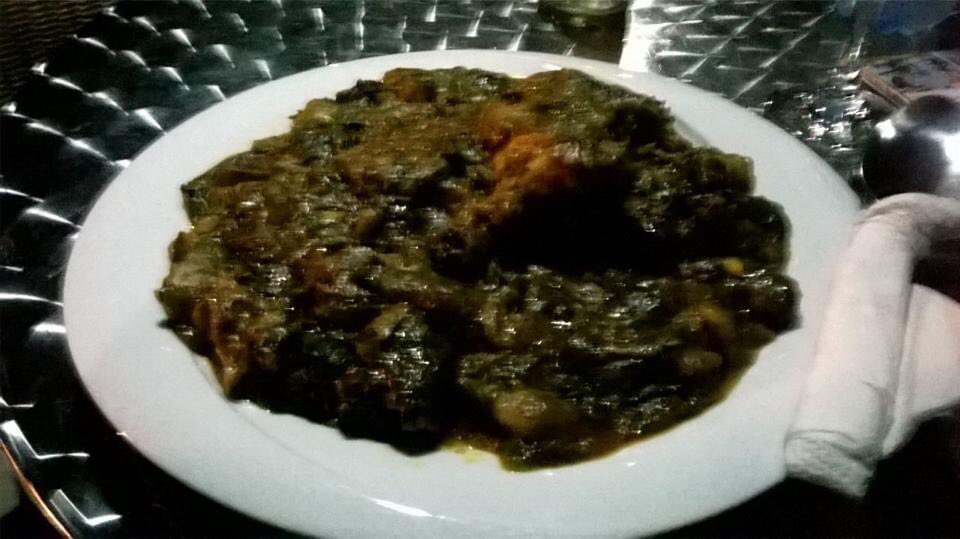
Finally, after five hours, I was served with my ekpang nkukwo. Made from cocoyam and water yam and cooked with fresh cocoyam, spinach or pumpkin leaves with shelled periwinkles and dried fish added to boot, that food must make it to heaven’s menu list.
Masterfully, I carved various portions of ekpang nkukwo with my spoon and I savoured every bit that went down my throat. The meal was not one to be rushed at all. It is a meal you start eating after you must have cracked your knuckles.
Thankfully, I was seated by the poolside, and I felt the breeze on my face as I devoured the meal. In between each spoonful, I sucked on the periwinkles as they winked at me.
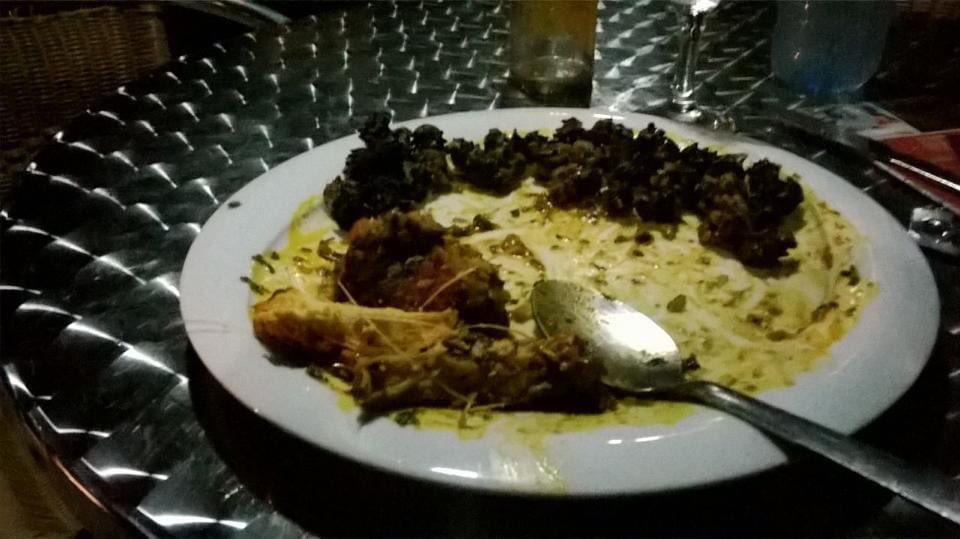
Akwa Ibom and Calabar people must have a covenant with periwinkles – or why is their diet never complete without periwinkles? By the time I finished, 33 periwinkles lay defeated, absolutely shorn of their glory.
I sent the pictures of my plate of ekpang nkukwo (BEFORE and AFTER) to my wife and she responded thus: “Bayo, you are in a fattening room o.” I replied, “Honestly, I think so.” I now understand why many women don’t want their husbands to go to Calabar.
With ekpang nkukwo, my wife may just need to pray harder….